If your child has been diagnosed with chalky molars – or you strongly suspect they might have them – it’s natural to feel overwhelmed. These weakened teeth can cause pain, decay, and sensitivity, even with good brushing and a healthy diet.
But there’s good news: with the right treatment and specialist support, chalky molars can be managed to protect your child’s smile and prevent further problems down the track. So, what does treatment involve? And why is early intervention so important?
Why treatment for chalky molars matters
Chalky molars – also known as enamel hypomineralisation – have soft or porous enamel that can break down easily. This leaves the tooth more vulnerable to:
- Tooth sensitivity
- Rapid tooth decay
- Toothaches
- Abscessed teeth
These issues often happen for two main reasons:
-
Weakened enamel
Soft or chalky areas allow bacteria to enter the tooth more easily. Even with regular brushing, these teeth can be hard to keep clean and cavity-free. -
Brushing avoidance due to pain
Sensitive teeth can make brushing uncomfortable, leading your child to avoid it – especially in the affected areas. Unfortunately, this can cause more plaque to build up, creating a cycle of discomfort and decay.
How we diagnose chalky molars
Our team takes a gentle, thorough approach to diagnosis. Here’s what you can expect:
Visual and magnified examination
We look for visual signs such as opacities, discoloration, or enamel breakdown.
Questions and history
We’ll chat with you and your child to understand their symptoms – like tooth sensitivity, brushing habits, or eating challenges – and review any relevant history.
X-rays
If needed, we’ll take x-rays to check for decay not visible on the surface.
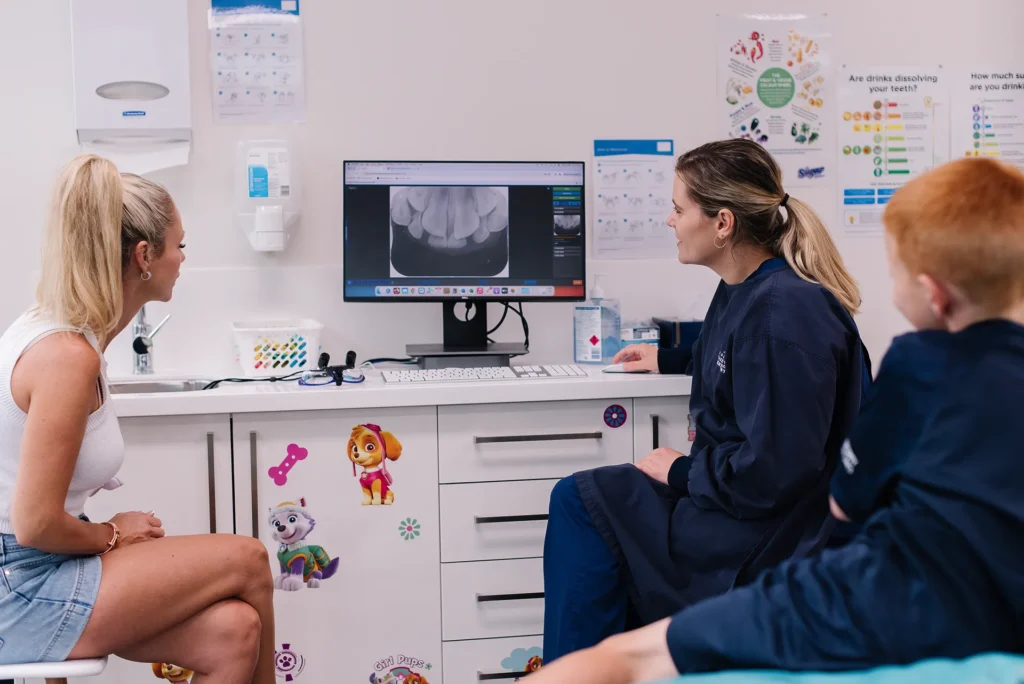
Because we understand how painful chalky molars can be, we don’t use cold air or water sprays during exams. These can cause distress and discomfort, especially for kids with very sensitive teeth. We prioritise calm, positive experiences that help your child feel safe.
What does treatment look like?
Treating chalky molars can involve some complex decisions. That’s why many families choose to see a specialist paediatric dentist – someone with the experience to handle these cases gently and effectively, often in collaboration with orthodontists if needed.
Depending on the severity of your child’s condition, treatment might include:
- Fissure sealants
- Tooth-coloured fillings
- Stainless steel crowns
- Tooth removal (in severe cases)
We always consider your child’s age, the number of affected teeth, and how well they tolerate dental treatment. Our goal is to minimise discomfort, avoid repeated temporary fixes, and create a long-term plan that protects your child’s oral health and confidence.
Your child deserves specialised, compassionate care
At Norwest Paediatric Dentistry, we understand that treating chalky molars isn’t just about the teeth – it’s about supporting your child emotionally, making every visit a positive one, and helping your family feel informed and empowered.
While chalky molars can’t be reversed, early treatment can prevent decay, reduce pain, and protect your child’s smile for years to come.
If you suspect your child may have chalky molars, start by speaking with your GP for a referral.
Already have a diagnosis or referral? We’re here to help. Book an appointment by calling (02) 8814 7945 or emailing reception@nwpd.com.au.